
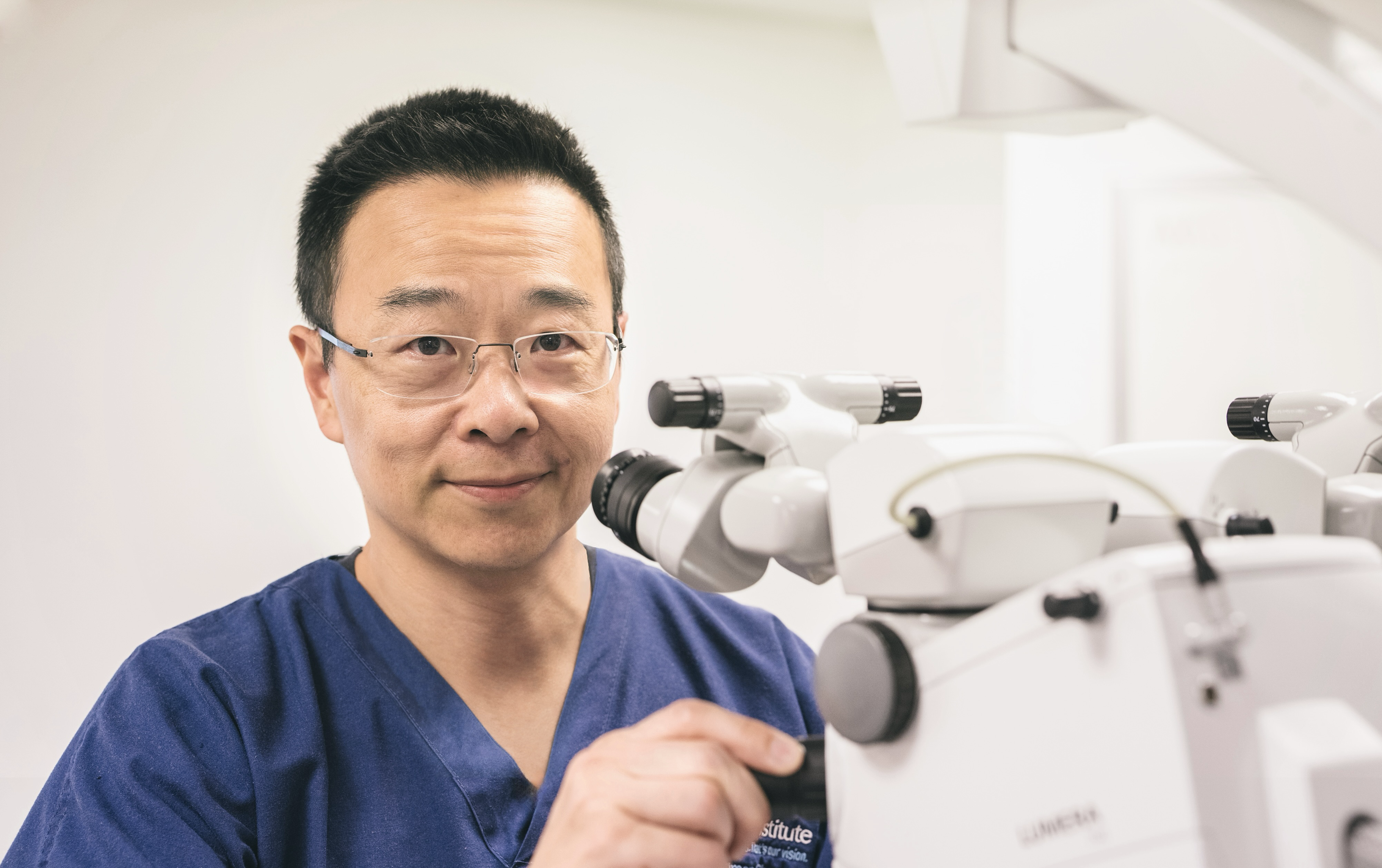
Dr Simon Chen · Sydney
Cataract surgery with the retina in mindCataract surgery
with the retina in mind
Cataract, lens replacement, floater and retinal surgery in Sydney, with care that considers your whole eye.
 MBBS, BSc (Hons)St George’s Hospital Medical School, University of London
 FRANZCOFellow of the Royal Australian and New Zealand College of Ophthalmologists
 Retinal surgery fellowshipsOxford Eye Hospital · Lions Eye Institute
 University of New South WalesAdjunct Senior Lecturer, Faculty of Medicine and Health
 Vision Eye InstituteClinical practice, Chatswood
Why choose Dr Simon Chen?
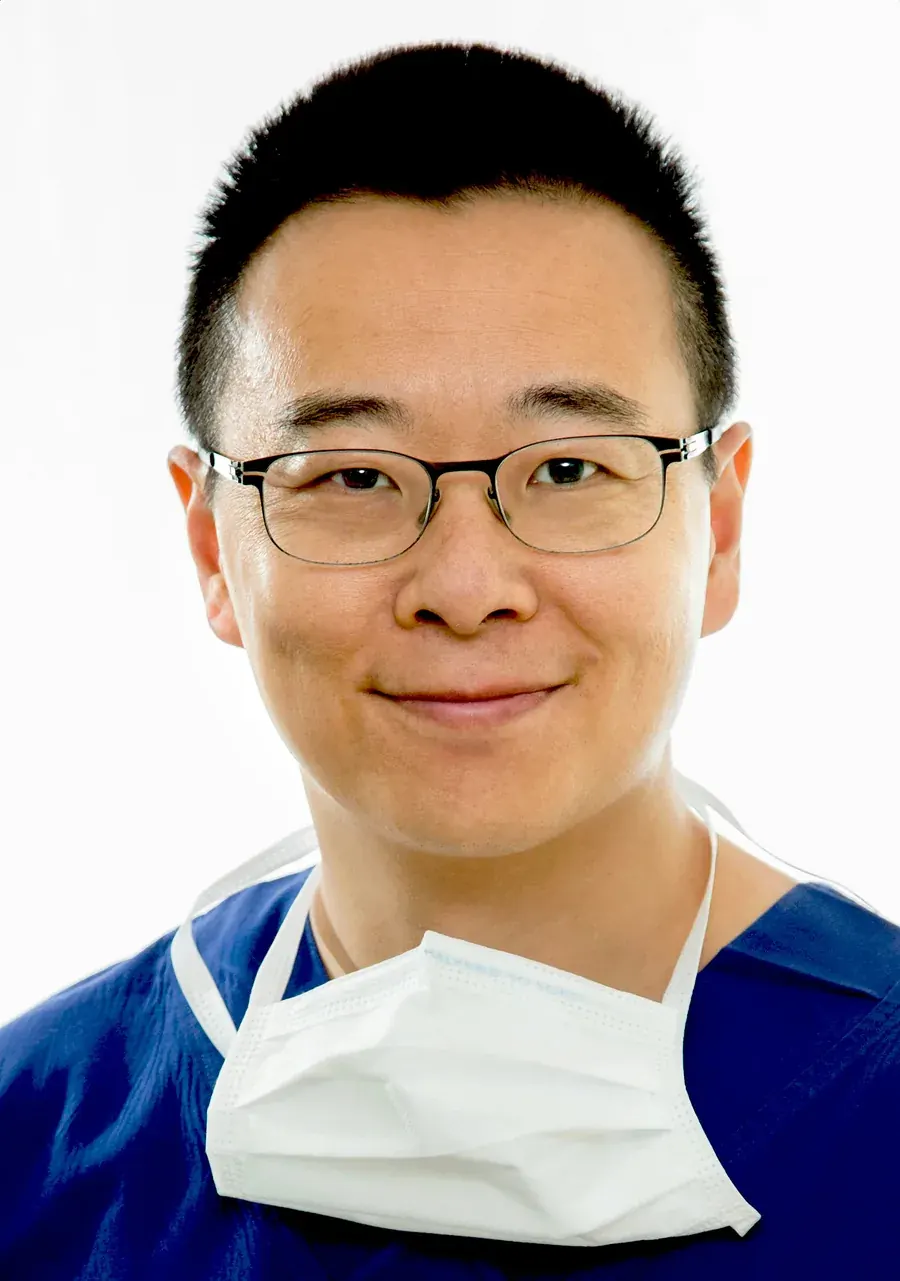
Dr Simon ChenCataract and retinal surgeonVision Eye Institute, Chatswood
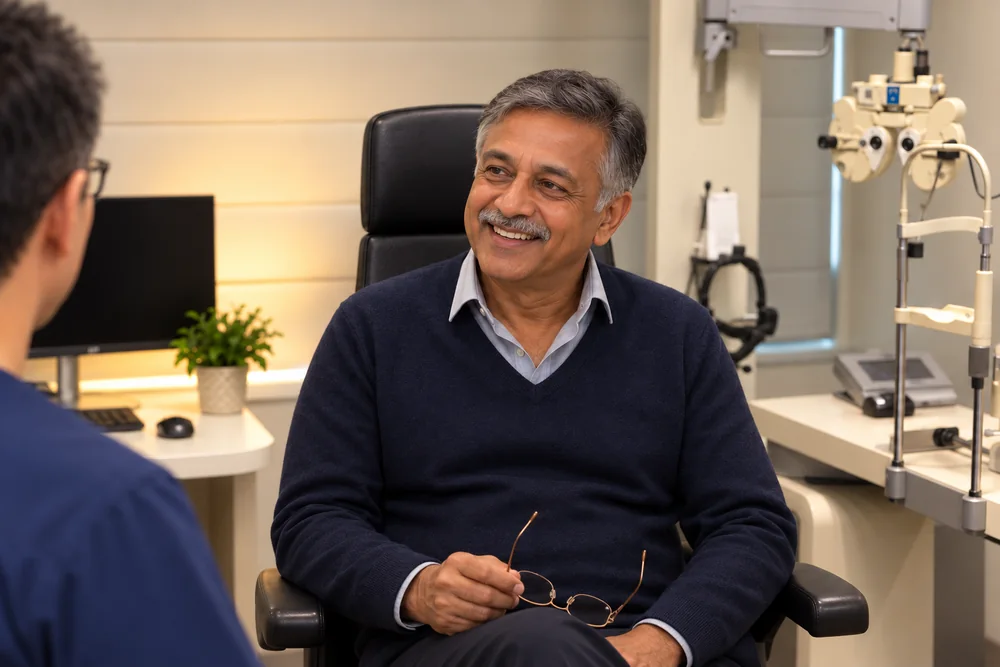
Meet Dr ChenGood care starts with listening: how your vision affects your life, what concerns you and what you hope treatment will achieve.
Dr Chen’s aim is to achieve the best result your eyes can safely allow, through careful planning, precise surgery and attentive follow-up. The trust placed in him by patients, referring clinicians and medical colleagues is a responsibility he takes seriously.
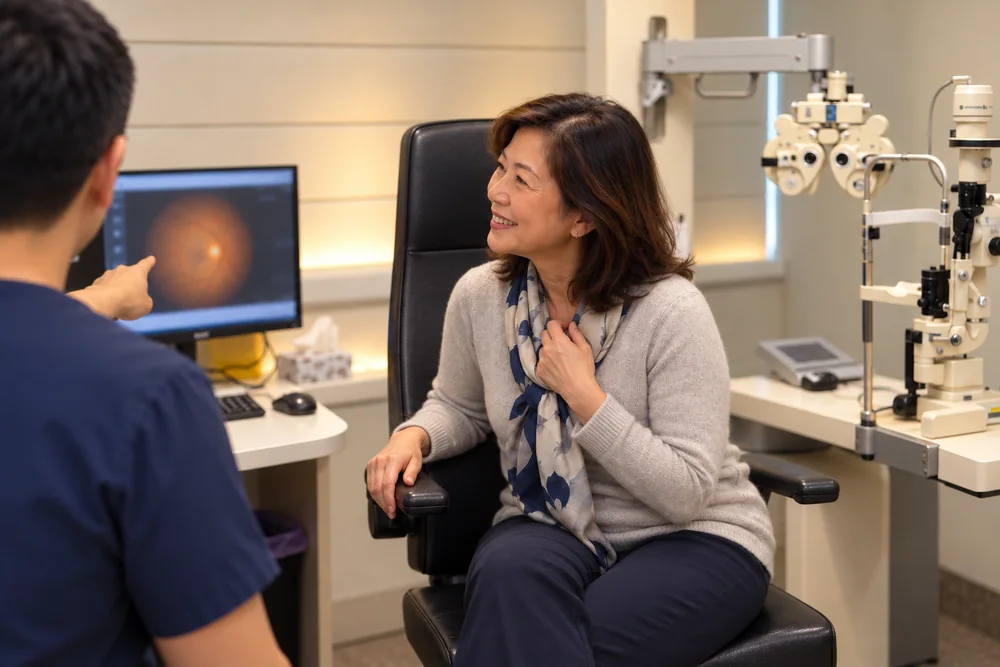

Care that feels personal
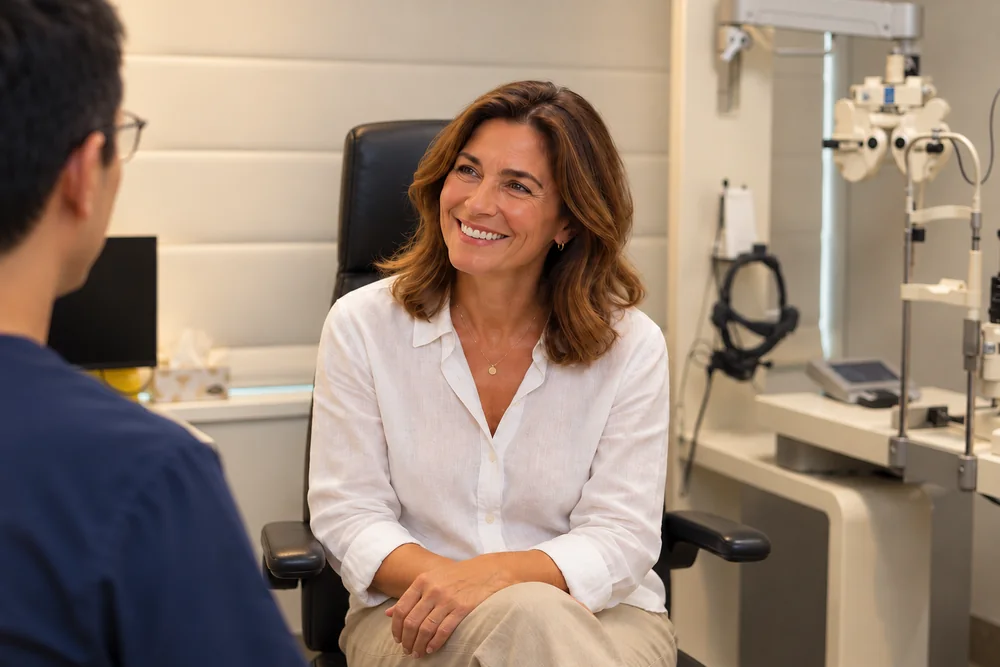
Eye surgery can feel daunting. Dr Chen wants you to feel welcome, comfortable asking questions and supported at each stage of your care.
Experience in cataract and retinal surgery: why this matters
Dr Chen combines extensive experience in cataract surgery with fellowship training and an active practice in retinal surgery.
Dr Chen regularly receives referrals from other eye surgeons for cataract surgery in complex or higher-risk eyes, and to manage complications of cataract surgery.
When a retinal surgeon is needed
- Serious complications are uncommon, but some of the most serious problems during or after cataract surgery require a retinal surgeon.
- For patients whose cataract surgeon does not perform retinal surgery, these complications can mean referral to another surgeon and a further operation.
- Dr Chen has the specialist skills to manage these problems himself.
Ready to manage complications
- He performs cataract surgery in operating theatres equipped for both cataract and retinal surgery, supported by nurses trained in these procedures and the use of specialist equipment.
- If a complication arises during surgery, he can treat selected problems in the same operation, where appropriate, potentially avoiding referral to another surgeon and a separate procedure.
Understand before you decide
Clear explanations of your scans, treatment choices and likely recovery help you make an informed decision. Benefits, risks and alternatives deserve time and attention.
Technology with a purpose
Dr Chen’s assessment and surgery draw on a wide range of advanced imaging, laser and surgical systems, from ultra-widefield retinal imaging to femtosecond laser cataract surgery. The choice of technology follows what is useful for your eye, together with clinical judgement and your priorities.
Part of a pioneering Australian refractive surgery practice
Dr Chen is part of Vision Eye Institute Chatswood, a practice whose founding surgeons helped introduce laser vision correction to Australia in 1991. Established in Chatswood in 1997, the team has pioneered advances in refractive and cataract surgery for decades.
For patients needing cataract surgery after LASIK, PRK or SMILE, that experience includes research on complex lens calculations, detailed corneal measurements and access to corneal, refractive and retinal expertise.
Clinic and day surgery in one building
Dr Chen’s clinic is on level 3 at Vision Eye Institute Chatswood, and the day surgery is directly above on level 4. Your assessment, surgery and follow-up happen in one building, and for some urgent problems surgery can be arranged very soon after assessment.
Trusted by medical colleagues & their families
More than 190 medical professionals and their closest relatives have trusted Dr Chen with their cataract or retinal surgery.
They include Sydney ophthalmologists (eye surgeons), optometrists, GPs, and nurses.
Over 20 years of cataract & retinal surgery experience
Cataract operations
More than 6,000.
Vitrectomy procedures
More than 4,000.
Intravitreal injections
More than 20,000.
IOL exchanges
More than 200.
YAG laser procedures
More than 500.
Retinal laser procedures
More than 5,000.
What brings you here?
Dr Simon Chen treats conditions of the lens and retina. When both affect vision, they can be considered together in the assessment and treatment plan.
Start with your symptoms
ShowHide
- Cloudy or blurred visionCataracts and cataract surgery
- Floaters in my visionFloaters
- Distorted or wavy visionEpiretinal membrane · Macular hole & VMT
- Diagnosed with macular degenerationMacular degeneration · Eye injections
- Questions about lens implantsChoosing an intraocular lens · Refractive lens exchange
- Referred by my optometrist or GPWhat to expect at your visit
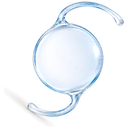
Front of the eyeCataracts & lenses
 Explore optionsClose options
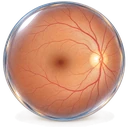
Back of the eyeRetina & floaters
 Explore optionsClose options
A tailored approach to cataract and retinal surgery
Two eyes with the same diagnosis can need different operations and different lenses. What varies is less the surgery itself than the planning before it.
Because Dr Chen operates on both the lens and the retina, the front and the back of the eye are assessed together, and where an eye needs both, they can often be treated in a single operation.
How does the planning differ by operation?
What does a tailored cataract operation involve?
Cataract surgery replaces the eye’s clouded natural lens with an artificial lens implant. Because that lens is chosen to a specific optical power, the operation is also a chance to reduce how much you depend on glasses, so the choice of lens matters as much as the surgery.
- The health of the whole eye is assessed firstThe retina and macula are examined before a lens is chosen, because a lens that suits a healthy eye may be the wrong choice for an eye with macular disease.
- Measurements from more than one instrumentThe shape of your cornea and the length of your eye are measured on different instruments and cross-checked, rather than relying on a single reading.
- Access to the full range of lenses available in AustraliaMonofocal, toric, extended depth of focus and multifocal designs, so the lens follows the eye rather than a shortlist.
- Experience with the eyes that need the most planningPrevious laser vision correction, high short-sightedness, astigmatism, previous treatment and coexisting retinal disease are each planned for individually.

What does a tailored lens exchange involve?
Refractive lens exchange replaces a clear natural lens to change the eye’s focus, before a cataract has formed. The planning is the same as for cataract surgery, but the threshold for operating is different because there is no cataract to remove.
- Suitability is decided before anything elseRefractive lens exchange is not suitable for every eye, and the assessment is built to find that out first.
- The same lens range and the same measurementsNothing is narrowed because the operation is elective.
- Retinal risks are discussed openlyA longer, more short-sighted eye carries a different retinal risk, and that is part of the conversation before you decide.

When can both operations be done together?
When a cataract and a retinal condition affect the same eye, they can often be treated in a single operation instead of two, because one surgeon performs both.
- One surgeon, one operation, one recoveryWhere the eye allows it, the cataract operation and the vitrectomy are performed together rather than split between two surgeons and two recoveries.
- The lens is chosen knowing what the retina needsA retinal operation changes what a lens implant has to do afterwards, so the two decisions are made together.
- Cataract surgery after a previous vitrectomyAn eye that has already had a vitrectomy behaves differently during cataract surgery, and is planned accordingly.
What does a tailored retinal operation involve?
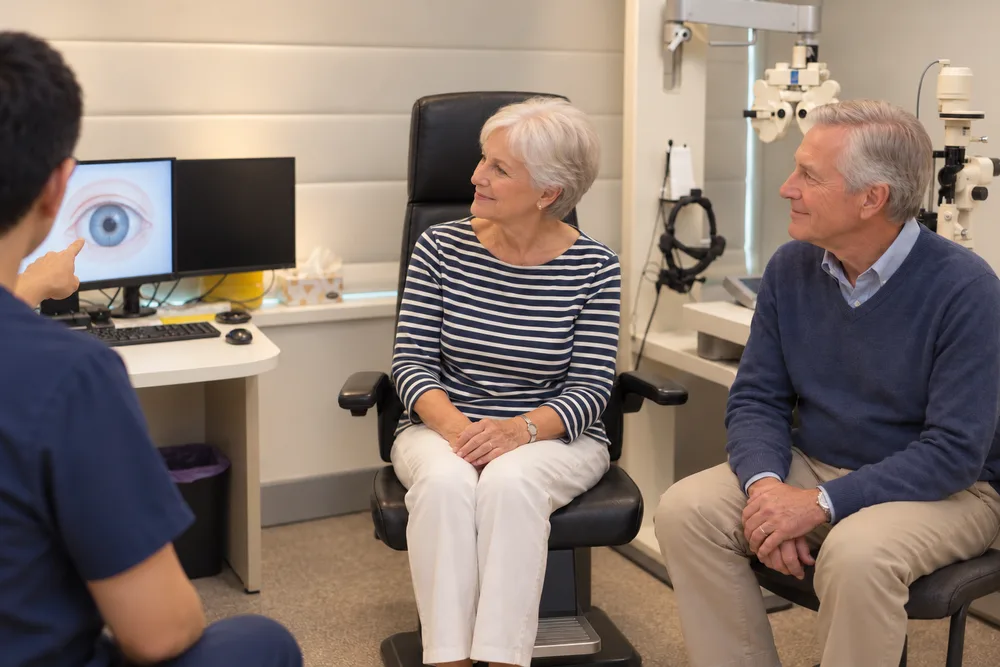
Vitrectomy is keyhole surgery inside the eye, used for conditions such as epiretinal membrane, macular hole, retinal detachment and troublesome floaters. What differs between eyes is the threshold for operating and what happens to vision afterwards.
- Deciding whether to operate comes firstSome retinal conditions are watched rather than operated on, and the assessment is clear about which is which.
- What the eye needs afterwards is planned in advanceGas, head positioning, and the cataract that commonly follows a vitrectomy.
- Imaging is matched to the conditionOptical coherence tomography, widefield imaging and angiography as the condition requires, rather than one scan for everything.
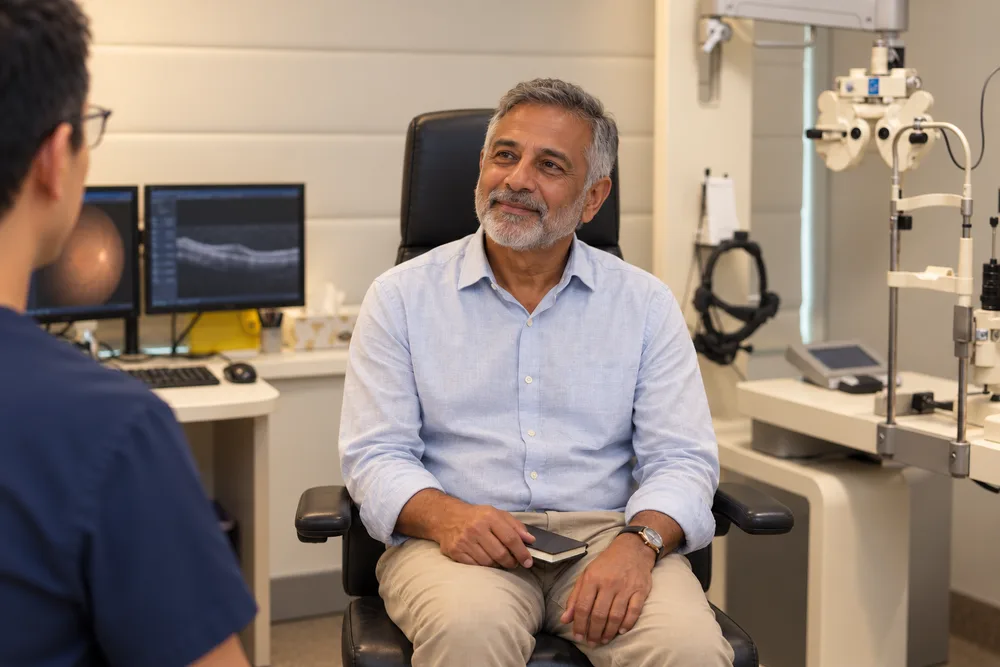
What to expect at your visit
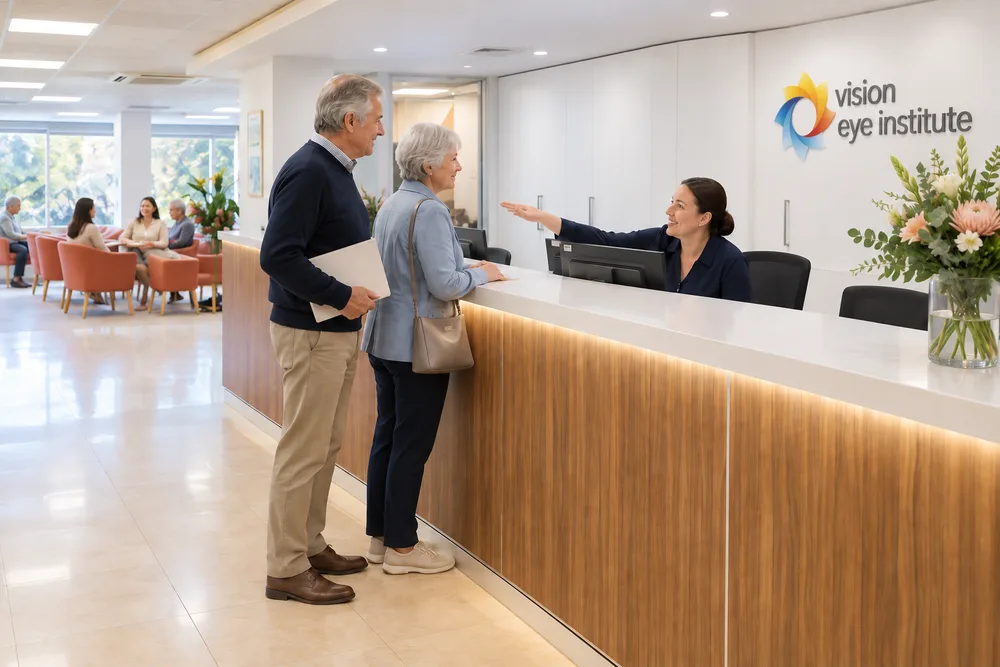
Arrange a visit
Contact Vision Eye Institute for appointments and referral enquiries.
Understand your eyes
Assessment, questions and a discussion of what matters to you.
Consider options
Talk through the benefits, trade-offs and an individual plan.
Plan what follows
Treatment and follow-up, when appropriate, with your care team.
Before your appointment
- Bring your referral, previous scans, current glasses and a list of medications.
- Write down any questions you would like to ask.
- Your eyes may need dilating drops. Arrange someone to drive you home and bring sunglasses.
Watch Dr Chen’s surgery videos
Real cataract and retinal operations, filmed through the operating microscope. The videos show surgery in close detail.
How do I make an appointment with Dr Chen?
Appointments and enquiries are made through Vision Eye Institute Chatswood.
Level 3, 270 Victoria Avenue, Chatswood NSW 2067For referrers
Optometrists, GPs and ophthalmologists can refer through Oculo or with the PDF referral form.
Vision Eye Institute confirms your appointment after you submit your request. The request form is not for emergencies. A referral is not strictly essential to request an appointment, but you need a valid one to claim a Medicare rebate for your consultation.