
Cataract care
Cataract assessment and surgery with Dr Simon Chen, with lens choices guided by your vision, your daily life and the health of your retina.



When should I see Dr Chen about a cataract?
Most cataract surgery is routine day surgery, and many people simply need clearer vision. Dr Chen’s retinal training is there for the eyes that need it.
Dr Chen assesses cataracts alongside the health of the retina and the rest of your eye. The aim is to understand what is affecting your vision before discussing treatment.
Retinal disease, previous retinal surgery, trauma or a complex eye history can change the plan. Assessing these together helps distinguish changes caused by the cataract from those caused by the retina, so you can discuss what surgery may and may not improve.
Explore retinal care- Gradually blurred vision or glare
- A cataract found by your optometrist
- Cataract with a known retinal condition
- A second opinion on lens choice or timing
- Interest in refractive lens exchange
Why does retinal experience matter in cataract surgery?
Serious complications of cataract surgery are uncommon.
Some of the most serious, including retinal detachment or lens fragments falling into the back of the eye, may require treatment by a retinal surgeon.
A retinal surgeon as well as a cataract surgeon
- Dr Chen is an experienced, practising retinal surgeon as well as a cataract surgeon.
- Other eye surgeons regularly refer patients to him to manage complications of cataract surgery.
- For his cataract patients, this expertise is part of their care from the outset.
- For patients whose cataract surgeon does not perform retinal surgery, these complications can mean referral to another surgeon and a further operation.
Ready if a complication occurs
- Dr Chen performs cataract surgery in operating theatres equipped for both cataract and retinal surgery.
- He works with nurses trained to assist with retinal procedures and experienced in the use of the specialist equipment.
- If a complication arises during cataract surgery, he can treat selected problems in the same operation, where clinically appropriate.
- This may avoid a separate referral and another operation for that treatment.
This expertise is particularly valuable for complex cataracts and eyes with existing retinal disease.
Some problems develop after surgery or are best treated separately; treatment and timing depend on your eye.
What other lens procedures does Dr Chen perform?

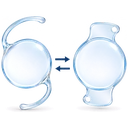
Refractive lens exchange
Lens surgery before a cataract, and how suitability is assessed.
→
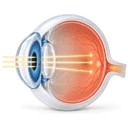
IOL exchange & complex cataract
Exchanging an implant, dislocated lenses, and eyes with retinal disease or previous surgery.
→
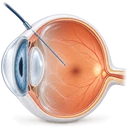
Femtosecond laser cataract surgery
What a laser step can do inside the operation, and when it is worth considering.
→
Combined cataract and retinal surgery
Cataract surgery and vitrectomy in one operation, and when staging is better.
→How do I choose a lens implant?
Lens options depend on eye health and visual needs. The lens guide explains the main designs and their trade-offs.
Explore lens choices Refractive lens exchange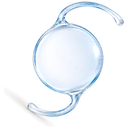
- What matters most in my daily vision?
- How does my retinal health affect the choice?
- What should I expect from the recommended lens?
Will I be comfortable during cataract surgery?
Cataract surgery with Dr Chen is usually performed under local anaesthesia with intravenous sedation. An experienced specialist anaesthetist is dedicated to your anaesthesia, safety and comfort throughout the procedure.
Dr Chen understands that the thought of eye surgery can be unsettling. He takes your worries seriously and encourages you to discuss any fears before the day of surgery.
Dr Chen and your anaesthetist tailor the approach to your health, the planned procedure, your previous anaesthetic experiences and your preferences. They will explain the options and their benefits and risks. Let the team know if you feel uncomfortable so they can respond.



Common questions about cataract care
Can I discuss different lens options?
Yes. Lens choices can be discussed in the context of your eye health, visual needs and retinal considerations.
Where do I book?
Appointments and surgery arrangements are coordinated through Vision Eye Institute.
Where can I read more?
Longer articles by Dr Chen go into these questions in more detail, including what the research shows.
How do I make an appointment with Dr Chen to discuss cataracts and cataract surgery?
Appointments and enquiries are made through Vision Eye Institute Chatswood.
Level 3, 270 Victoria Avenue, Chatswood NSW 2067For referrers
Optometrists, GPs and ophthalmologists can refer through Oculo or with the PDF referral form.
Vision Eye Institute confirms your appointment after you submit your request. The request form is not for emergencies. A referral is not strictly essential to request an appointment, but you need a valid one to claim a Medicare rebate for your consultation.